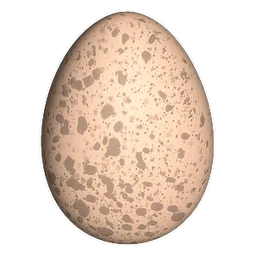
Chicken Egg
Your pet before it hatches. You can only own one pet at a time.
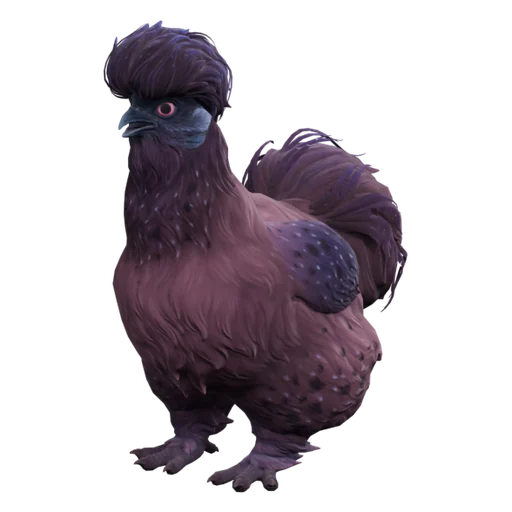
Counter-Strike 2 now has pets, and players are already calling them chicken skins. Alongside the Rush Hour update, Valve quietly added a pet chicken you can hatch, feed, name and take into matches with you. Every chicken starts as an egg and ends up as one of three adult breeds, each with its own set of colors and a unique pattern variation
Pets cannot be traded
Pets are account-bound, so they have no Steam Market listings or prices. Each pet rolls a hidden seed that shifts its hue, saturation, brightness and feather pattern, so no two chickens look exactly alike
Pet chickens start as a Chicken Egg, which can appear as an option in your Weekly Care Package on a Prime account. Picking the egg uses up both of your weekly reward choices, so it replaces a case or cosmetic drop for that week. You can only have one pet per account at a time.
Once claimed, the egg sits in a basket beside your agent on the main menu. Keep it supplied with Chicken Feed and it will hatch in about a week.
Your pet before it hatches. You can only own one pet at a time.
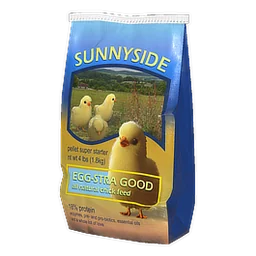
Feed your pet to keep it around. More feed comes in Weekly Care Packages.
Every pet chicken goes through four stages
1
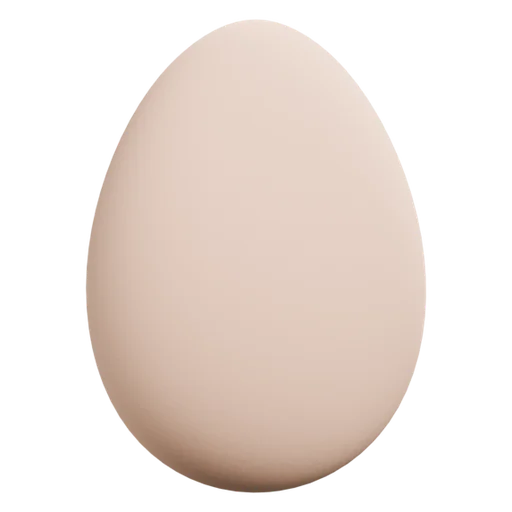
Waits in its basket until the hatch date shown in your HatchBook.
2
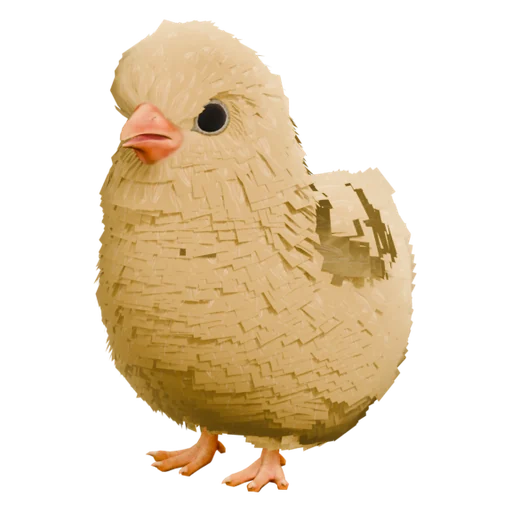
Every egg hatches into the same yellow chick. You can name it and take photos from this point.
3
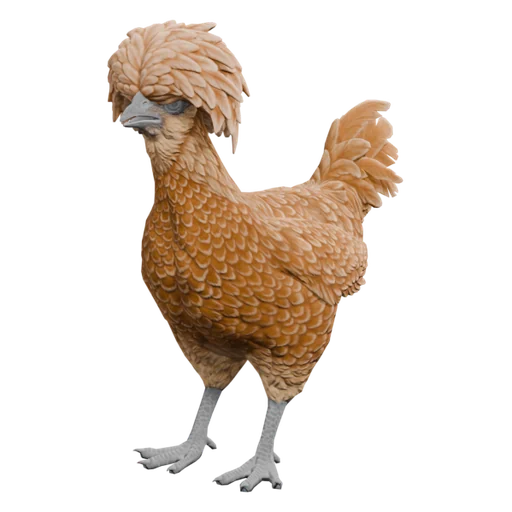
The breed and color are revealed, and your chicken can follow you onto maps where other players can see it.
4
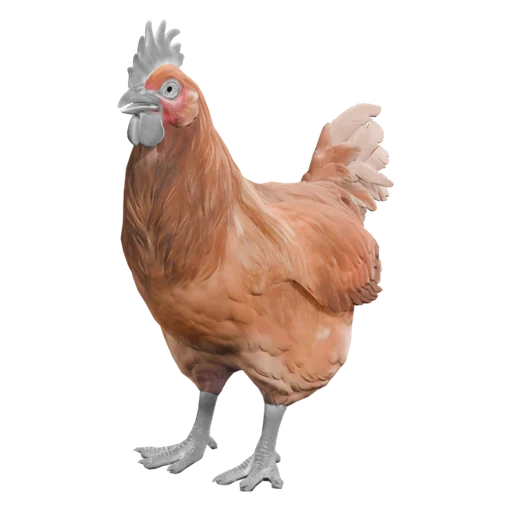
The fully grown adult model, with extra photo booth poses unlocked.
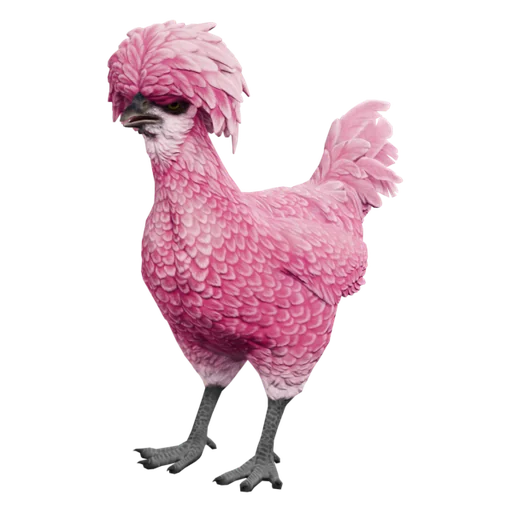
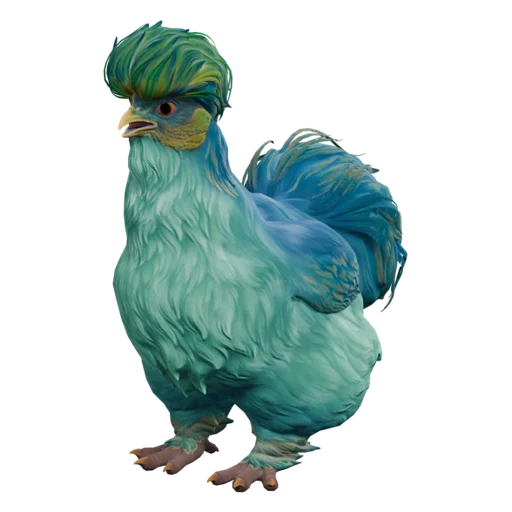
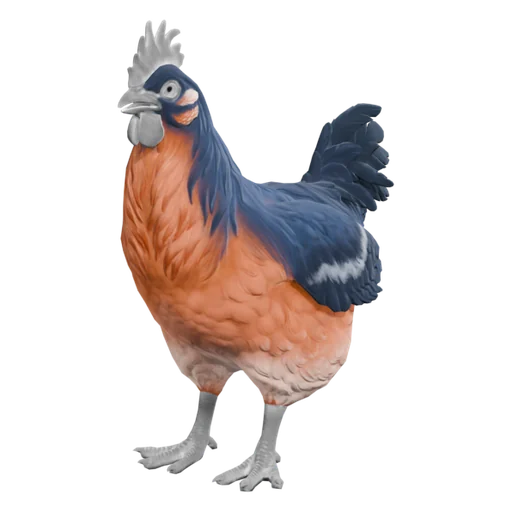
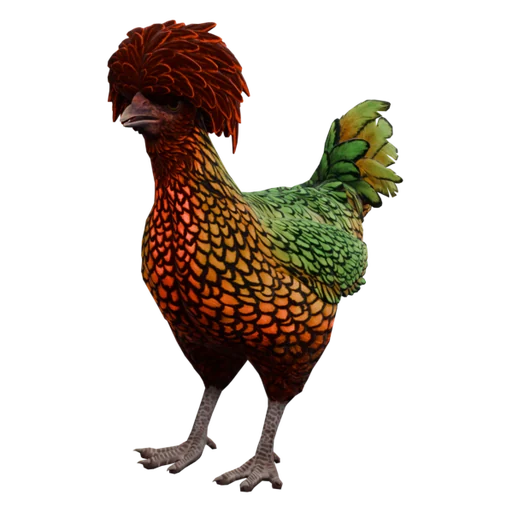
Fully grown hens come in three breeds, each with its own set of color variants. Click any chicken to spin it around in 3D.
Catalana
Catalana
Catalana
Catalana
Catalana
Catalana
Catalana
Catalana
Catalana
Catalana
Catalana
Catalana
Catalana
Polish
Polish
Polish
Polish
Polish
Polish
Polish
Polish
Polish
Polish
Polish
Polish
Silkie
Silkie
Silkie
Silkie
Silkie
Silkie
Silkie
Silkie
Silkie
Every CS2 chicken skin is made up of two layers: a base color, which comes from the breed’s color list, and a hidden pattern seed that’s unique to each chicken. That seed makes small adjustments to the chicken’s hue, saturation, brightness and feather pattern, so two chickens with the same base color can still look slightly different side by side.
This works differently from weapon skin patterns. On a weapon, the pattern index controls where a finish sits on the gun, which is why certain Case Hardened or Fade patterns are so sought after. Chicken patterns instead tweak the look of the whole bird, and there’s no confirmed list yet of which seeds produce the most distinctive results.
Some base colors already have pattern-style designs built in, such as the Silkie’s Splash and Leopard or the Polish chicken’s Orange with Black Stripes, and these are separate from the seed variation layered on top.
No. Breed and color are decided at random when your chick grows into a pullet, and there’s no way to influence the result. Game files suggest some colors are weighted to appear more often than others, but Valve hasn’t published official odds. On top of the base color, each chicken also carries its own pattern seed, so two chickens of the same color may not look identical.
There are three: Catalana, Silkie and Polish.
Valve hasn’t confirmed odds for any color. Game data hints that some colors are more common than others, but no rarest chicken is officially known.
Yes. Each chicken has a hidden seed that shifts its shade and feather pattern slightly, so no two chickens of the same color are guaranteed to look identical.
No. Weapon patterns control how a finish is placed on the gun, while chicken patterns adjust the color and feathering of the whole bird.
Possibly, but it’s too early to say. No seed has been confirmed as rare, and since chickens can’t be traded, patterns have no market value yet.
About a week, as long as it has Chicken Feed.
No. They’re purely cosmetic and give no competitive advantage.